top of page


An intense wave defence fps built for Dare Academy and EGX. Idea formed after a prototype that reaches the finals of Search for a Star, then empowered by a new team, along with budget, mentorship and office space.
Dare Academy Finalist
Made for and Presented at EGX London
Recruited the team for the project after interviews and portfolio reviews.
ChemPunch
Responsibilities
(Hover Over)
Founding
Founding
After conceiving the project, I built a specialised team to get the job done. I found specialists who could easily support and get excited by an intense chempunk action setting. Importantly, I had to get a team that could align culturally, and we actually ended up making a name for ourselves and receiving numerous votes for best team.
Project Management
Project Management
As producer, I proactively prepared workflows we would use ahead of time, planning for the month in office and the further months remote, setting numerous milestones. We followed a clear scrum methodology, which was invaluable to making adjustments on key features and ensuring measurable progression each sprint.
Presenting
Presenting
Due to a theatre background and many times pitching projects, I led the creation and presenting of numerous pitches to an industry panel. These were labeled as the best said panel had seen in years. I was also on stall at EGX the most, talking directly to the public, and introduced the project on stage to 50+ attendees.
Admin
Admin
Responsible for almost all important elements outside of the project, such as budget and travel. I organised how each team member could reach EGX from a variety of different locations (including Italy), then managed shifts at the event and others. I also made all purchases for team branding.
Facilitating
Facilitating
Including facilitating tools and communications. For instance, I set up secondary tools to aid communication such as Miro, Google Drive, and Discord as an alternative to slack. I also ensured all devices we used in office had the correct software, handling numerous issues that came up with Unreal, Houdini and Wwise.
Role(s)
Producer, Technical Designer
Team Size
8
The Background
DARE Academy is a competition where 6 teams are selected after rounds of pitching to present at EGX and MCM Comic Con. ChemPUNCH was made specifically to engage this audience. As such, pre-production involved budget plans, travel plans, research into conventions, a clear schedule and risk management.
I built the team specifically for this project, with AAA-inspired methods.
As finalists, we received one month of office space in July with frequent meetings and feedback from mentors, implementing and iterating the core game following AGILE Scrum.
Genre
Wave Defence Zombie FPS
Duration
July 2024 - April 2025
The Project
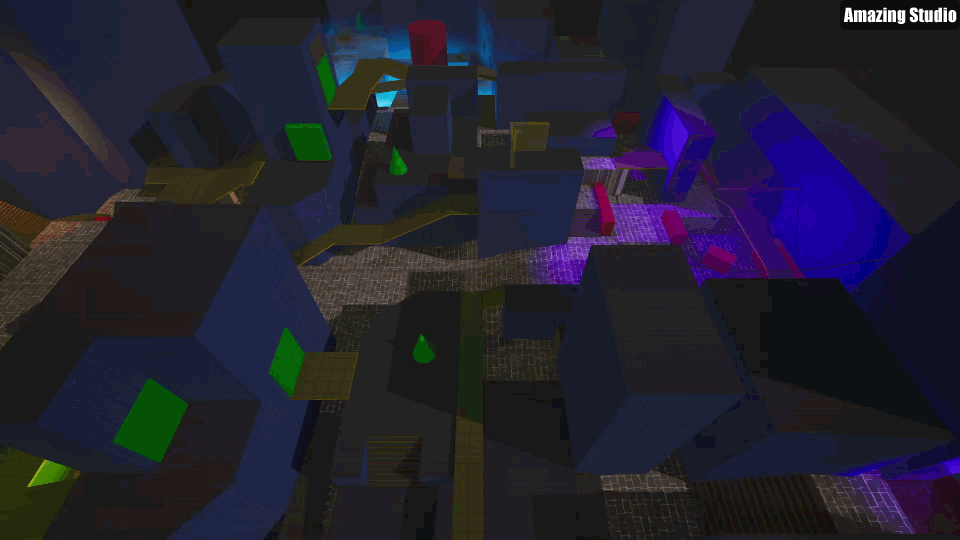
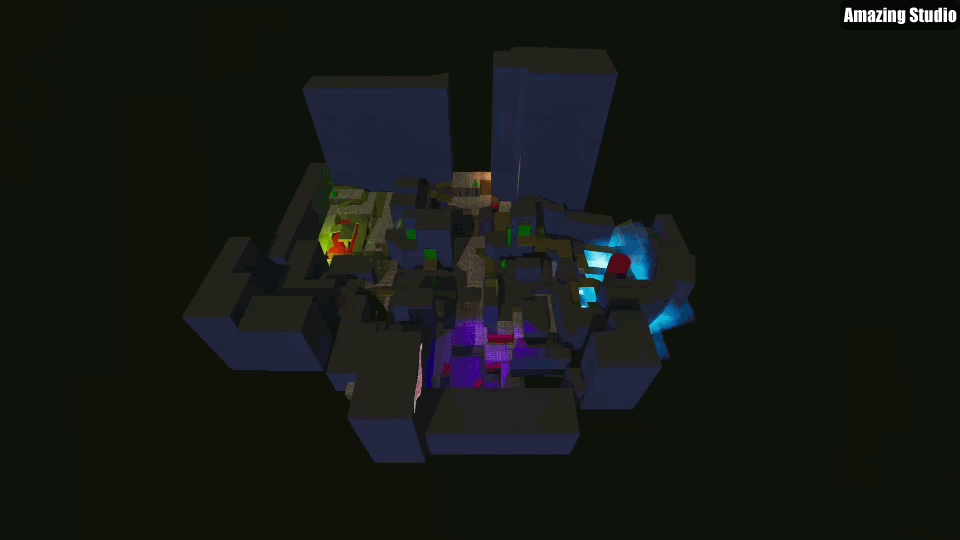
An Intense wave defence where you punch guys and set them on fire in a Chempunk world.
The player, armed with a giant gauntlet and flamethrower, must exterminate a never-ending horde while defending objectives. These weapons specialise in different situations, and can have chemicals routed into them separately to grant new effects.
As ChemPUNCH was made specifically for playing at conventions, it's built around taking less than 10 minutes to play, so it includes constant progression, quick onboarding, high scores, and an adaptive difficulty curve.
Description


Links & Tools
Lessons Learned
Further Details & Thought Process


Pre-Production


Production


Post-Production



Forming the team
The 8 man team was created specifically for this project, with me as producer creating an environment where everyone could be at their most productive, confident, and creative.
Across 2024, I was involved in over a dozen interviews and portfolio reviews for new members (contacted through networking). These interviews focused on comparing the person to our style, dynamics and requirements. Eventually, we built a team we saw as the best of the best.
One member dropped out soon before we started working on pitches, forcing a quick replacement, and after this, I focused even more on tracking preferences and issues each person had, moulding production around them.
Leading the team
To make this team work, I first had to understand how everyone operated best.
I blended democratic, authoritative, pacesetting and affiliative leadership styles, talking both to the full team and individually as appropriate. I referred to myself as the secretary to avoid a dictatorship style, but earned the respect of the team through demonstrating my own contributions, dedication to the project, and hyping up everyone else's work.
Out of hours, the team partied and went to events, and a large part of preproduction was spent ensuring each member "owned" part of the game. For example, the AI programmer had the final say on any discussion of the enemy behaviour. This kept everyone on track, doing what's best for the project without feeling forced.
In conclusion, team issues were few and far between, with any being handled quickly, as we focused on making a game we were all hyped by.
WIP
bottom of page